Field notes from page one
How Shopify stores with deep catalogs and $1,000+ products win search: technical fixes, collection pages, migrations, AI answers and selling West from China. Written by people who do the work.

Fake Shopify Store Outranking Your Brand? How to Report, Remove and Outrank Clones
A fake Shopify store copying your photos and name can outrank you for your own brand. This is the order we report clones in (Shopify, Google, registrar, ads, payments) and how we take the brand search results back.

How to Get Recommended by ChatGPT: Get Your Products Into the “Best Of” Lists It Cites
ChatGPT recommends the products that trusted “best of” lists, reviews and threads already name. Here is how to find the lists AI assistants cite for your category and earn a place on them, from reviewer kits to samples for high-ticket products.

Linkable Assets for Shopify: Calculators That Earn Links for High-Ticket Brands
For a store selling $3,000 pool tables or $8,000 saunas, the linkable asset that works best is usually a calculator that answers the buyer's math question. Here is which calculators to build, how to build them on Shopify so Google can read them, and how to promote them.
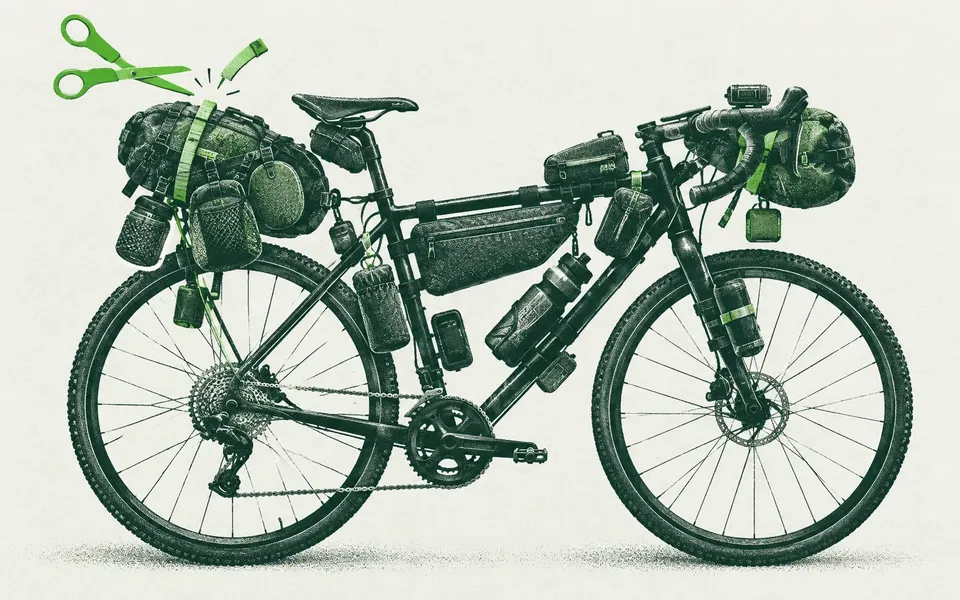
The Shopify Apps Slowing Down Your Store and Quietly Hurting SEO (Plus a 20-Minute Audit)
Shopify apps slow down your store, leave code behind after you uninstall them, and sometimes change what Google sees. This 20-minute audit shows where to look and what to remove.

Crawled – Currently Not Indexed on Shopify: Why Google Skips Your Pages
Crawled – currently not indexed means Google fetched a page and chose to leave it out. On Shopify most of those URLs are harmless; here is how to find the few that cost you sales and fix them.
Shopify Speed Optimization: Fixing LCP on Collection Pages Without Killing Apps
Why Shopify collection pages fail LCP, how to find the real LCP element, and the fixes in order: image loading, animations, app scripts and Liquid render time.
Is Shopify Good for SEO? An Honest Answer From a Shopify-Only Agency
Shopify is good for SEO for most ecommerce brands, and its real limits are manageable. Here's what the platform does well, where it falls short, how it compares with WooCommerce, BigCommerce and Magento, and when the limits matter.

Reddit SEO for Ecommerce Brands: Showing Up Where Buyers Ask First
Reddit threads rank for “best X”, brand review and comparison searches, and AI assistants cite them. This is how ecommerce brands take part honestly: finding the threads, following the rules and turning what buyers say into better Shopify pages.

Reviews SEO When You Sell 20 a Month: Building Proof for High-Ticket Products
Reviews SEO advice assumes thousands of reviews. A store selling 20 units a month at $4,000 each needs a different plan: crawlable reviews, correct schema, and proof that doesn't depend on volume.
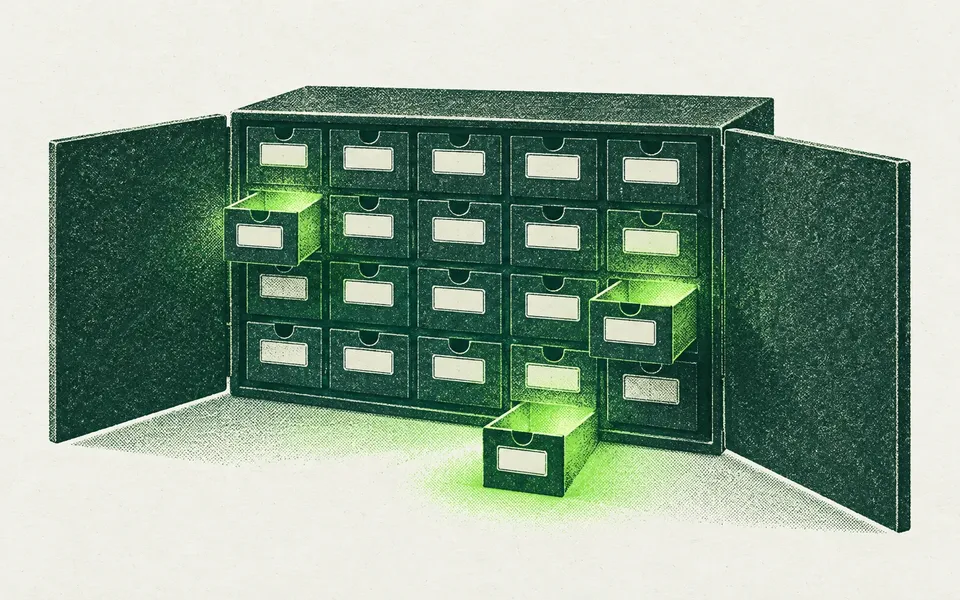
Shopify Metafields for SEO: Spec Tables, FAQs and Schema Without Another App
Shopify metafields store the product details your theme and Google need: specs, FAQs, schema properties, filters and even your SEO titles. This guide covers how to set them up and use them for SEO without adding another app.

"Google Chose Different Canonical" on Shopify: What It Means and When to Worry
Duplicate, Google chose different canonical than user means Google overruled your canonical tag. On Shopify it is often harmless; this is how to tell when it is costing you rankings and how to fix it.

What Is Your Shopify Blog Actually For? A Content Strategy That Sells
Most Shopify blogs are a list of posts nobody searches for. A blog that sells does five jobs: early traffic, links, internal links, conversion and authority. Here is how to plan, write and set one up on Shopify.

Shopify Structured Data: Product, Offer, Return Policy and Shipping Schema
What Shopify themes output as structured data, what Google wants for merchant listings, and how to add return policy, shipping and variant markup in Liquid.

Best Shopify SEO Apps in 2026: What We Install and What We Remove
Most Shopify stores need two or three SEO apps, not ten. This is the short list we install on client stores, the apps we remove on audits, and the SEO jobs Shopify already does without any app.
How to Track ChatGPT Traffic and Other AI Referrals in GA4 and Shopify
GA4 now has an AI Assistant channel, but it misses history, unlisted assistants and some ChatGPT clicks. Here is the regex, the channel group, the exploration and the Shopify reports we use to track AI traffic properly.

Shopify AI Product Descriptions: Writing 1,000+ Without Thin Content
Shopify Magic and description apps can draft 1,000 product descriptions in an afternoon. This is the workflow we use to make them accurate, distinct and useful: spec data first, tiered effort, and QA before anything goes live.

Shopify Markets vs Expansion Stores: Which International Setup Ranks Better?
Shopify expansion stores give each country its own store and domain; Shopify Markets runs every country from one store. For SEO, one store with subfolders usually wins. Here is when it does not, and how to set up either one properly.
Discontinued Products SEO on Shopify: Keep, Redirect or Delete? A Decision Tree
Discontinued products SEO on Shopify comes down to one decision per URL: keep the page, redirect it or let it go. This decision tree maps each choice to the exact Shopify status and redirect settings.

From Amazon Seller to Brand Site: Building a Shopify Store That Ranks on Google
Amazon to Shopify is a build, not a migration. How to turn Brand Analytics data into collection pages, avoid duplicate listing copy, decide where Google traffic buys and earn the trust Amazon gave you for free.

Product Page SEO for High-Ticket Items: Spec Tables, Comparisons and FAQs That Close
A $6,000 pool table or sauna page has to answer every question a buyer would ask a salesperson. Here is how we structure high-ticket Shopify product pages: specs, delivery, financing, warranty, comparisons and schema.

Shopify URL Structure: Can You Change /collections and /products?
Shopify's fixed URL prefixes explained: what you can and can't change, whether /products/ hurts rankings, how to pick handles, and when headless is worth it.

How Long Does SEO Take on Shopify? Real Timelines by Catalog Size
SEO usually takes 4 to 12 months to pay off on a Shopify store, and catalog size, starting authority and competition decide where you land in that range. Here's a realistic timeline, with two real client timelines.

Outranked by AliExpress for Your Own Product? How Chinese Brands Win Back Their Brand SERP
When AliExpress, Amazon or resellers outrank your Shopify store for your own brand and model numbers, Google is choosing their pages as the better answer. This is how Chinese brands win back their brand SERP.

Ecommerce Link Building for Shopify in 2026: Tactics That Still Move Rankings
Ecommerce link building on Shopify in 2026 comes down to relationships and information only you have: suppliers, dealers, publishers and your own data. These are the tactics we use for high-ticket and Chinese brands, and the ones we skip.

Google Free Listings for Shopify: The Organic Google Shopping Traffic Most Stores Miss
Google free listings put Shopify products on the Shopping tab, Search, Images, Lens and YouTube without paying per click. Most stores connect the Google & YouTube app and stop there; this guide covers the product data and checks that decide whether the traffic arrives.

Changing Your Shopify Theme Without Losing SEO Rankings: The Pre-Launch Checklist
Does changing your Shopify theme affect SEO? Your URLs and admin content stay put, but everything the theme outputs changes. This pre-launch checklist covers what to check before you press Publish.
“Best X” and Comparison Pages for High-Ticket Brands: Winning the Research Phase
Buyers spending $3,000 on a pool table, grill, greenhouse or sauna read comparisons before they buy. How to build honest "best X" and "X vs Y" pages that rank, get cited by AI assistants and close sales.

Brand Entity Building for Chinese Companies: Knowledge Panels, Wikidata and Reddit
Google and AI assistants think in entities. Many Chinese brands show up as three weak ones instead of one strong one. Here is how to build a clear brand entity, and the honest rules for Wikidata, Wikipedia and Reddit.

Shopify Tag Pages vs Collections vs Filters: What Should Google Index?
Shopify gives you three ways to slice a catalog, and each creates URLs Google can find. Here is how tag pages, collections and filters behave by default, and which ones deserve a place in the index.

Shopify robots.txt.liquid: What to Block (and What Never to Touch)
What Shopify's 2026 default robots.txt blocks, how robots.txt.liquid works, the few rules worth adding on big catalogs, and the edits that quietly cost traffic.

Moving to Shopify Plus: What Actually Changes for SEO
Upgrading to Shopify Plus changes less for SEO than most teams expect. Here is what stays the same, the Plus features that do matter (redirects, expansion stores, combined listings) and an upgrade-week checklist.

Shopify Internal Linking: Collection Hubs, Breadcrumbs and Mega Menus
Internal links tell Google which Shopify page answers which search. Here is how we structure collection hubs, breadcrumbs, mega menus and product links so money pages get found, crawled and ranked.

Shopify Technical SEO: The Complete Guide for Large Catalogs
How technical SEO works on Shopify stores with thousands of SKUs: what the platform handles, what you control, and the order to fix crawl, indexing, schema and speed.

Shopify B2B SEO: Wholesale Catalogs and Gated Pricing Without Losing Rankings
Since April 2026, Shopify B2B works on Basic, Grow and Advanced as well as Plus. Here is how to set up wholesale catalogs and gated pricing so trade buyers get their prices and Google still gets pages it can rank.
![Illustration for ““Is [Brand] Legit?”: Reputation SEO for Chinese Brands New to Western Buyers”](https://www.smartecomseo.com/api/media/file/chinese-brand-reputation-seo-960x600.webp)
“Is [Brand] Legit?”: Reputation SEO for Chinese Brands New to Western Buyers
Before a Western shopper pays a brand they have never heard of, they search “is [brand] legit”. For Chinese brands, what that search shows often decides the sale. Here is how to audit it and change it honestly.

Shopify Variants and the 2,048-Variant Limit: When to Split Products Into Separate URLs
Shopify now allows 2,048 variants per product, but every variant still shares one indexable URL. Here is how to decide which options stay as variants and which deserve their own product page.

How Much Does Shopify SEO Cost in 2026? Real Retainer Ranges
Published agency prices, survey data and the maths that matters: what Shopify SEO costs from freelancers, agencies and in-house teams, what drives the price, and how to work out payback.

Traffic Dropped After Migrating to Shopify? A 30-Day Diagnostic
A day-by-day plan for diagnosing a traffic drop after migration to Shopify: rule out the catastrophes, find the leak with old-to-new URL pair analysis, fix in revenue order and confirm recovery.

Shopify SEO Titles and Meta Descriptions for 5,000 Products: Templates That Scale
Nobody hand-writes 10,000 title tags and meta descriptions. Here is the three-layer system we use on large Shopify catalogs: Liquid fallbacks, metafield-driven templates and bulk editing, without creating duplicates.

Shopify Markets and hreflang: Selling to the US, EU and Australia From One Store
Shopify Markets generates hreflang for you, but a correct setup still takes planning. How to structure one store for the US, EU and Australia, what Shopify does automatically, and the mistakes we fix most often.

Google AI Overviews and AI Mode for Product Searches: How Stores Get Cited
AI Overviews and AI Mode now answer many product research searches before anyone scrolls. Here is what Google has confirmed, the two ways a Shopify store shows up, the Merchant Center fixes that matter and how to measure it.

The Shopify Migration SEO Checklist: Replatforming With Zero Traffic Loss
A phase-by-phase website migration SEO checklist for moving to Shopify from WooCommerce, Magento, BigCommerce, SFCC or Amazon: benchmarks, URL mapping, Shopify redirect rules, launch day and the first 90 days.

Magento to Shopify Migration Without Losing Rankings
How to move from Magento or Adobe Commerce to Shopify with your rankings intact: the url_rewrite table, redirect counts, category copy in CMS blocks, layered navigation and store views.

Buying Guides That Sell $3,000 Pool Tables and Greenhouses: Structure, Depth and Internal Links
A buying guide for a $3,000 product has to do the job of a good showroom salesperson. Here is the outline template we use, what depth really means, and how to link guides to collections.

Shopify vs Shopline vs Shoplazza for Global SEO
Chinese sellers get pitched all three platforms. We compared Shopify, Shopline and Shoplazza on the things that decide Google and AI search visibility abroad, using each platform’s own documentation.

GEO vs SEO for Ecommerce: What Changes and What Doesn’t
Generative engine optimization is not a new discipline that replaces SEO. For a Shopify store, most of the work stays the same. Here is what actually changes when AI answers sit between your store and the buyer, and which GEO advice you can ignore.
Faceted Navigation on Shopify: Which Filter Pages Should Google Index?
How Shopify Search & Discovery filter URLs work in 2026, what Shopify's canonicals and robots.txt already do with them, and when to build a real collection instead.

WooCommerce to Shopify Migration: The SEO Playbook
The WooCommerce-specific parts of a Shopify migration: URL patterns and where they go, Yoast and Rank Math titles, products with too many attributes, the WordPress blog and a worked redirect map.

From OEM Factory to Global Brand: The Shopify and SEO Launch Playbook
Factories that make excellent products for other brands often launch their own and hear nothing from Google. This is the Shopify and SEO launch playbook we use when an OEM becomes a global brand.

Shopify’s agents.md and llms.txt: What They Are and Whether You Need Them
Every Shopify store now serves /agents.md, /llms.txt and /llms-full.txt. Here is what Shopify generates by default, how two real stores use it, how to customize it in Liquid, and when it is worth the effort.

SEO for High-Ticket Brands: How $1,000+ Products Get Found, Researched and Bought
Pool tables, grills, greenhouses, saunas and wine fridges are bought after weeks of research. Here is how high-ticket Shopify brands win every stage of that journey on Google and AI search.

Shopify Redirects at Scale: Bulk CSVs, Limits and Redirect Chains
Shopify URL redirect rules for big catalogs and migrations: the 100,000 and 20,000,000 limits, CSV imports, why redirects fail when the old URL still loads, query strings and chains.
LLM SEO: How AI Models Decide Which Stores to Recommend
LLM SEO is getting your store into the answers large language models give. Here is how models actually pick stores, which signals are confirmed versus correlated, and what a Shopify brand should build.

The Shopify Sitemap, Explained: Limits, Gaps and the New Agentic Sitemap
What Shopify's sitemap.xml contains in 2026, how it splits big catalogs, what it leaves out, and what the new sitemap_agentic_discovery.xml and /agents.md files do.

Google SEO for Chinese Brands: Why Amazon-First Brands Stall, and the Fix
Chinese brands that dominate Amazon often get almost nothing from Google. From Shenzhen, here are the six reasons we see most, and the fixes that drove two of our strongest client results.

ChatGPT Shopping and Shopify’s Agentic Storefronts, Explained
Instant Checkout came and went. Shopify turned on agentic storefronts by default. Here is what ChatGPT shopping looks like in September 2026, what Shopify sends to it, and what a Shopify store should actually do.

Shopify Duplicate Content: /collections/*/products/*, Variants and Canonicals, Explained
Every duplicate URL type on Shopify, tested: collection-path products, the within filter, ?variant= URLs, tag and vendor pages, pagination and filters, with the fix for each.

Shopify Collection Page SEO: How One Product Becomes a Thousand Keywords
Collection pages are where Shopify stores win commercial searches. Here is how we turn a small catalog into hundreds of ranking collection pages without thin or duplicate content.

How to Rank in ChatGPT: A Playbook for Shopify Stores
ChatGPT has no page two. Here is how it finds and picks stores in 2026, and the six steps that get a Shopify store into the answer: crawl access, rankings, product data, citable pages, off-site consensus and measurement.

The Shopify SEO Checklist for Big Catalogs (2026): 60 Checks for Stores With 500+ SKUs
Sixty checks we run on Shopify stores with 500+ SKUs: robots.txt, canonicals, the sitemap, collections, variants, schema, Markets and speed, with what good looks like for each.
Is your store a fit for SEO?
Paste your URL. We read your catalog, prices and markets and score it in seconds.